Website designed with the B12 website builder. Create your own website today.
Start for free
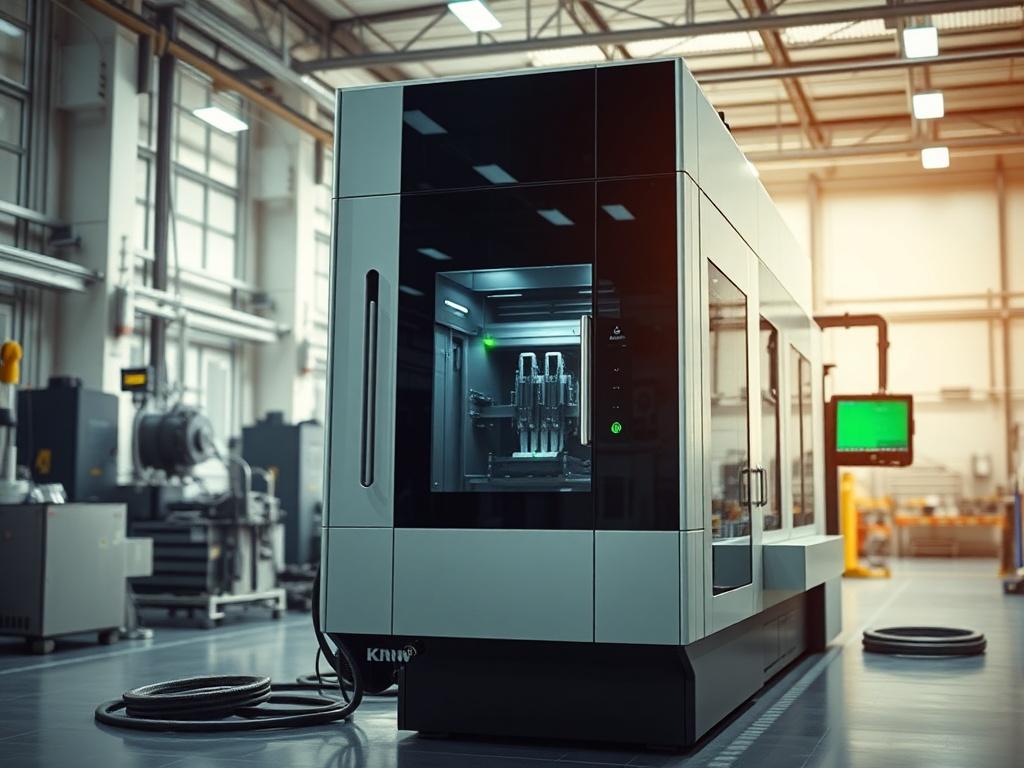
Digital Transformation for Legacy Factories: Future-Proofing Your Operations with KNW Technology Consulting
For legacy factories, the challenge of modernizing operations can seem daunting. These facilities, often built on decades of traditional processes and machinery, may struggle to keep up with the rapid pace of technological change. Yet, in today’s competitive, data-driven manufacturing environment, embracing digital transformation is no longer optional—it’s essential to remain relevant and efficient.
At KNW Technology Consulting, we specialize in helping legacy factories navigate the digital transformation journey, upgrading their systems, processes, and technologies to better compete in an increasingly digital world. Whether your factory is still using legacy equipment, manual workflows, or outdated software, we can help you transition to a more efficient, data-driven operation with minimal disruption.
In this blog, we’ll explore how **legacy factories** can benefit from digital transformation, and how **KNW Technology Consulting** can guide the process of upgrading your operations, increasing productivity, and driving long-term growth.
---
1. Understanding the Need for Digital Transformation in Legacy Factories
Legacy factories often face several unique challenges when it comes to digital transformation:
* **Aging Equipment**: Older machinery may be inefficient, prone to breakdowns, and lack the capabilities to integrate with modern technologies.
* **Manual Processes**: Many legacy factories still rely on paper-based systems, manual data entry, and siloed workflows, which can slow down production and introduce errors.
* **Lack of Data Visibility**: Without real-time data or analytics, it’s difficult to optimize production schedules, monitor quality, or make informed decisions.
* **Rising Competition**: As more factories embrace digital tools like automation, artificial intelligence (AI), and data analytics, legacy factories risk being left behind if they don’t modernize their operations.
Digital transformation can address these challenges by streamlining processes, improving equipment efficiency, and leveraging data for better decision-making. At **KNW Technology Consulting**, we help legacy factories transition from outdated, inefficient systems to modern, agile solutions.
---
2. Implementing Smart Manufacturing with IoT and Automation
One of the most impactful technologies for legacy factories is the integration of **Internet of Things (IoT)** sensors and **automation** tools. These technologies help modernize operations by providing real-time data, improving equipment efficiency, and reducing manual intervention.
KNW Technology Consulting assists legacy factories by:
* **IoT Sensor Integration**: We help install IoT sensors on your existing machines and equipment to collect data on performance, usage, and condition. This data is then transmitted to centralized dashboards for real-time monitoring and analysis.
* **Predictive Maintenance**: By integrating IoT sensors with machine learning algorithms, we enable predictive maintenance, which helps identify potential failures before they occur. This reduces downtime, improves operational efficiency, and extends the life of machinery.
* **Robotic Process Automation (RPA)**: Implementing automation tools can help streamline repetitive tasks like material handling, packaging, and assembly, allowing your workforce to focus on higher-value activities.
* **Automated Production Lines**: If appropriate, we can help introduce automated production lines that increase throughput, reduce cycle times, and lower the risk of human error.
By embracing **smart manufacturing**, legacy factories can boost productivity, reduce operational costs, and improve product quality—while maintaining control over their existing operations.
---
3. **Leveraging Data Analytics for Smarter Decision-Making**
For legacy factories, one of the most powerful advantages of digital transformation is the ability to collect and analyze data in real-time. Data analytics empowers factories to make more informed decisions, optimize production, and increase overall efficiency.
KNW Technology Consulting helps legacy factories unlock the potential of data with:
* **Real-Time Monitoring and Dashboards**: We implement centralized data systems that allow managers to track key performance indicators (KPIs), production metrics, and machine health in real time, enabling immediate adjustments.
* **Predictive Analytics**: Using historical data, we can apply AI and machine learning to predict trends, anticipate production bottlenecks, and optimize supply chain management, which helps in making proactive decisions.
* **Quality Control**: By analyzing production data, we can identify trends in defects or quality issues and implement corrective measures to reduce waste, improve consistency, and ensure customer satisfaction.
* **Inventory Optimization**: With data-driven insights, legacy factories can optimize inventory levels, reduce overstocking, and improve material management, leading to cost savings and more efficient supply chain operations.
With data analytics, legacy factories can become more proactive in managing operations, leading to reduced costs, improved product quality, and better resource allocation.
---
4. **Cloud Computing: Improving Collaboration and Scalability**
For legacy factories, transitioning to **cloud-based** solutions can enhance collaboration, increase flexibility, and reduce costs associated with traditional on-premise systems. Cloud computing allows for centralized access to data, software, and tools, making it easier to manage operations across multiple locations and teams.
KNW Technology Consulting can assist legacy factories with:
* **Cloud-Based Enterprise Resource Planning (ERP)**: We help migrate your existing ERP system to the cloud, ensuring real-time access to data across departments, from inventory management to production planning to finance.
* **Collaboration Tools**: Cloud-based tools like Microsoft 365 or Google Workspace enable teams to collaborate more effectively, share documents, and manage projects from any location.
* **Scalability**: With cloud solutions, you can scale your operations quickly, adding new users, systems, or applications as your business grows without the need for significant upfront investment in hardware.
By embracing cloud technologies, legacy factories can improve operational efficiency, enhance team collaboration, and set themselves up for scalable growth.
---
5. **Enhancing Supply Chain Management with Digital Tools**
A smooth and efficient supply chain is crucial for legacy factories, but outdated systems and manual processes can make supply chain management slow and error-prone. Digital transformation enables **real-time tracking**, **demand forecasting**, and **supplier collaboration**, all of which help improve supply chain efficiency.
KNW Technology Consulting helps legacy factories digitize and streamline their supply chains with:
* **Real-Time Inventory Management**: We integrate digital tools that allow you to track inventory levels, monitor supplier shipments, and optimize stock replenishment to reduce waste and avoid stockouts.
* **Supply Chain Visibility**: By connecting your production systems with your suppliers and distributors through digital platforms, we give you end-to-end visibility into your supply chain, helping you make smarter, faster decisions.
* **AI-Powered Demand Forecasting**: We use AI and data analytics to help predict demand trends, allowing you to better align production schedules with market needs and avoid overproduction or underproduction.
By enhancing **supply chain management** with digital tools, legacy factories can improve operational efficiency, reduce lead times, and respond more quickly to changes in demand.
---
6. **Cybersecurity: Safeguarding Your Digital Assets**
As legacy factories undergo digital transformation, cybersecurity becomes an even more critical concern. Older systems may not be equipped with modern security features, making factories vulnerable to cyber threats. Implementing robust **cybersecurity** measures is essential to protect sensitive data and ensure business continuity.
KNW Technology Consulting ensures that legacy factories are well-protected by:
* **Cybersecurity Frameworks**: We help implement industry-standard cybersecurity measures, including firewalls, encryption, and multi-factor authentication, to protect your systems and data.
* **Employee Training**: We train your employees on best practices for cybersecurity, helping them recognize phishing attempts, secure passwords, and avoid common threats.
* **Ongoing Monitoring**: We set up continuous monitoring and automated alerts to detect potential threats, ensuring quick response times and minimizing risk exposure.
By addressing **cybersecurity** from the outset, legacy factories can mitigate risks and protect valuable data from cyber threats as they transition to digital operations.
---
7. **Change Management: Empowering Your Workforce for the Future**
Digital transformation is not only about technology—it’s about people. For legacy factories, **change management** is critical to ensuring a smooth transition. Employees who are accustomed to traditional ways of working may initially resist new technologies, so it’s important to involve them in the process and provide training and support.
KNW Technology Consulting helps legacy factories with:
* **Employee Training Programs**: We offer customized training programs that ensure your workforce is equipped to use new digital tools, systems, and software.
* **Communication Plans**: We assist in communicating the benefits of digital transformation clearly to employees, fostering a culture of innovation and collaboration.
* **Ongoing Support**: As your factory adopts new technologies, we provide continuous support to ensure any issues are resolved quickly, ensuring minimal disruption to operations.
By effectively managing **change** and ensuring your team is well-prepared, legacy factories can adopt new technologies with confidence and maximize the benefits of digital transformation.
---
### Conclusion: Future-Proofing Your Legacy Factory with Digital Transformation
For legacy factories, embracing digital transformation is no longer optional—it’s essential to stay competitive, improve operational efficiency, and drive growth. At **KNW Technology Consulting**, we specialize in helping legacy factories modernize their operations through the adoption of smart manufacturing technologies, data analytics, cloud computing, and cybersecurity solutions.
Whether you’re looking to optimize production, enhance your supply chain, or improve employee productivity, **KNW Technology Consulting** has the expertise and experience to guide you through every step of your digital transformation journey.
**Ready to future-proof your factory?** Contact **KNW Technology Consulting** today and discover how we can help your legacy factory embrace the digital future.
---
*For more information or to schedule a consultation, visit our website or reach out to our team at KNW Technology Consulting.*
Blog Post: The Real Story of Legacy Factory Digital Transformation (2025 Edition)
If you walk into a “legacy” factory today (think heavy machinery built in the 1980s, paper traveler sheets, and operators who’ve been running the same line for 30 years), the phrase “digital transformation” can sound like a corporate joke.
Yet some of these very plants are now achieving 20–40% OEE gains, 50% reductions in unplanned downtime, and quality escapes measured in parts-per-million instead of percent. They didn’t rip and replace everything. They transformed anyway.
Here’s what actually works in 2025, and what still blows up spectacularly.
1. Start with the Dirtiest, Most Painful Problem (Not the Shiniest Tech)
The factories that succeed pick one unbearable problem first:
- A critical CNC that breaks every 38 days like clockwork
- A heat-treat furnace that drifts out of spec and no one knows until final inspection
- An assembly station where changeover takes 4 hours because the paper router is wrong 40% of the time
They solve that single pain point with the minimum viable tech stack (usually a $400 industrial edge gateway, a few retrofit sensors, and a cheap cloud dashboard).
Six months later, the plant manager is walking around with live data on his phone and suddenly he’s your biggest evangelist. Momentum > master plan.
2. The 70/20/10 Rule That Actually Works
Real transformation budgets in brownfield sites now look like this:
- 70% on integration and data plumbing (getting the 1998 PLC to talk to something modern without killing production)
- 20% on actual analytics/AI (yes, really that small)
- 10% on “future tech” pilots (digital twins, GenAI copilots, AR glasses)
The ones who flip this ratio (10/20/70) end up with beautiful demos that never touch the real production floor.
3. The “Shadow IT” That Saves You
In every successful legacy transformation I’ve seen in the last two years, there is an unofficial skunkworks team:
- A maintenance tech who taught himself Node-RED
- An industrial engineer running Python scripts on a $300 Raspberry Pi cluster hidden under a desk
- A quality manager who built the entire SPC dashboard in Power BI because corporate IT said the project would take 18 months
Management eventually blesses these efforts (usually after they save the quarter). The alternative is waiting 2–3 years for the global MES rollout that still doesn’t handle serial-number tracing correctly.
4. The Tech Stack That’s Winning in 2025
Forget the 2018 hype stack. The plants actually moving the needle today use some combination of:
- Ignition by Inductive Automation (basically the “WordPress of SCADA” – unlimited tags, cheap, impossible to kill)
- High-byte DataOps or Neuron EX5 for the dirty work of protocol translation and context
- TimescaleDB or InfluxDB on prem for high-resolution time-series (because the cloud bills get insane at 10 ms resolution)
- Lightweight GenAI (Phi-3, Llama-3 8B) running locally on an NVIDIA A40 in the server room for downtime root-cause reasoning and work-instruction generation
- Tulip or Parsable for no-code frontline apps (finally mature and actually used by operators)
5. The Cultural Cheat Code
The single biggest predictor of success? Whether the plant manager forces every salaried employee (engineers, quality, supply chain) to spend one full shift per month working on the shop floor with the operators during the rollout.
No exceptions.
You haven’t lived until you’ve watched a Stanford-trained industrial engineer try to hit a 42-second takt time while the line lead quietly removes every digital roadblock he just discovered.
6. The Ones That Fail (So You Don’t Have To)
Common ways to burn $20M+ and achieve almost nothing:
- Starting with a full digital twin before you can get accurate cycle times
- Choosing a “unified namespace” architecture that requires ripping out all PLCs
- Letting corporate IT own the project timeline
- Announcing “we’re going paperless in 12 months” without asking the union first
- Buying an AI startup’s “99% accurate predictive maintenance” that was trained only on pumps, not your 40-year-old transfer line
Final Thought
Legacy factories aren’t museums. They’re gold mines with 50 years of tribal knowledge locked in people’s heads and 1980s steel.
Digital transformation in these places isn’t about becoming a software company. It’s about giving the people who already know how to make the product incredibly well a set of superpowers they can actually use tomorrow morning.
Do that, and the factory that everyone said “could never change” becomes the one your competitors study five years from now, wondering how you leapt ahead while they were still writing RFP documents.
The machines are old. The mindset doesn’t have to be.
What’s the dirtiest, most painful problem in your plant right now? Fix that first. Everything else follows.
Read Case Studies: Real-World Wins in Legacy Factory Digital Transformation Click Here or HERE
Stay updated on our news and events! Sign up to receive our newsletter.


